
A Guide for Solo Coastal Travellers Seeking Affordable Comfort
Travelling alone to the UK coast is one of the most rewarding ways to reset—quiet beaches, slower rhythms, long walks, and the freedom to design your own itinerary. But for solo travellers, accommodation costs can quickly dominate the budget.
The good news: you don’t need to choose between “cheap but grim” and “luxury but unaffordable.” With the right strategy, you can stay in well-located, comfortable accommodation in coastal towns like Brighton, Whitby, Bournemouth, and St Ives without overspending.
This guide breaks down the three main options—hotels, B&Bs, and Airbnb—and shows how to use each one strategically as a solo traveller.
1. Budget Hotels: Reliable, Predictable, and Often Underrated
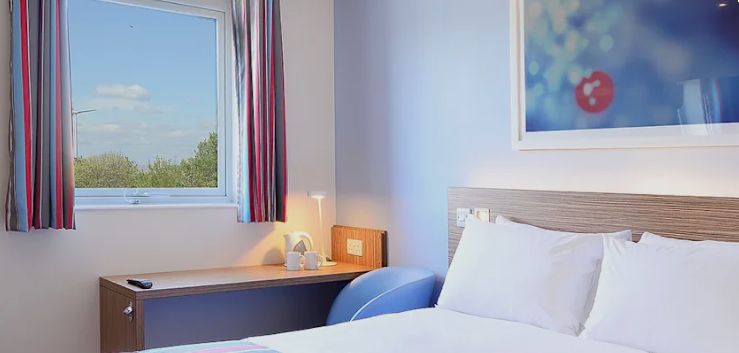
Budget and mid-range hotels are often the most efficient option for solo coastal travel, especially for short stays (1–3 nights).
In UK seaside towns, prices typically look like this:
Budget chain hotels: £50–£90 per night
Mid-range coastal hotels: £90–£150 per night
Why they work for solo travellers
Hotels are ideal if you want:
No hassle check-in/check-out
Central locations near seafronts or train stations
Private space without paying premium “whole property” rates
Cost-saving strategy
Book early (2–4 weeks ahead can reduce prices by 15–25%)
Avoid weekend-only stays in peak towns (Brighton, Cornwall, Whitby)
Choose “non-sea view” rooms—often identical comfort, lower cost
Best use case
Short coastal breaks where you want maximum simplicity and minimal planning effort.
2. Bed & Breakfasts: The Sweet Spot of Value and Comfort
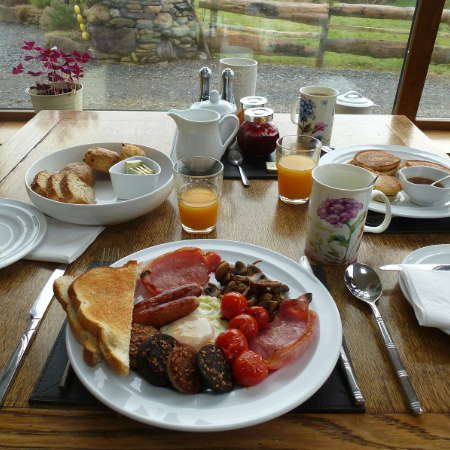
For many solo travellers, B&Bs are the hidden winner of UK coastal stays.
Typical pricing:
£60–£120 per night including breakfast
That breakfast inclusion is more important than it seems—it can save £10–£20 a day on food while adding a sociable, local touch.
Why B&Bs work so well for solo travellers
More personal, welcoming atmosphere (less anonymous than hotels)
Hosts often give local walking routes, café tips, and hidden coves
Breakfast included = lower daily travel costs
Often located in characterful seaside homes or converted townhouses
The “medium-luxury” trick
Look for:
Recently renovated guesthouses (modern bathrooms + stylish rooms)
Adults-only B&Bs for quieter stays
Properties with “boutique” positioning rather than traditional seaside décor
Best use case
Slow coastal escapes where experience matters as much as cost.
3. Airbnb & Short Lets: Best for Longer, Flexible Coastal Stays
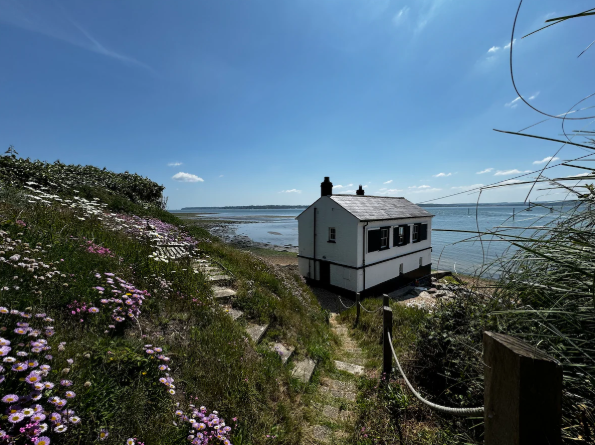
Airbnb can be the most cost-effective option—but only in the right scenarios.
Typical UK pricing:
Entire flats: £80–£250 per night
Studios/small apartments: £40–£100 per night
At first glance, Airbnb often appears cheaper than hotels by around 10–20%, but fees (cleaning, service charges) can reduce the advantage.
Why Airbnb works for solo travellers
More space for the money (especially studios)
Kitchen access = major food savings
Feels more “local” in residential coastal areas
Ideal for 3+ night stays
Hidden costs to watch
Cleaning fees (£30–£80 typical)
Service charges
Less predictable quality vs hotels/B&Bs
Best use case
Longer coastal stays where you want:
a base to explore multiple beaches
self-catering flexibility
slower, more independent travel rhythm
Which Option Is Best Value for Solo Coastal Travel?
Which Option Is Best Value for Solo Coastal Travel?
| Accommodation Type | Best For | Cost Efficiency | Comfort Level | Solo Travel Fit |
|---|---|---|---|---|
| Budget Hotel | Short breaks | ★★★★☆ | ★★★☆☆ | ★★★★☆ |
| B&B | Balanced experience | ★★★★★ | ★★★★☆ | ★★★★★ |
| Airbnb | Longer stays | ★★★★☆ | ★★★★☆ | ★★★☆☆ |
Smart Strategy: How to Combine All Three
The most cost-effective solo travellers don’t pick just one—they mix them:
Example 4-night coastal escape:
Nights 1–2: Budget hotel (arrival + exploration base)
Nights 3–4: Boutique B&B (relaxation + breakfast included)
Or:
5–7 night stay: Airbnb studio + one night in a seaside B&B for comfort reset
This hybrid approach often gives:
Lower total cost than all-hotel stays
Better comfort than full-budget accommodation
A more varied, memorable experience
Final Thoughts
For solo travellers, the UK coast rewards flexibility more than luxury spending. The real goal isn’t finding the cheapest bed—it’s finding the right balance between comfort, location, and independence.
If you choose strategically:
Hotels give you control and convenience
B&Bs give you warmth and value
Airbnb gives you space and freedom
And in the right mix, you get something better than luxury alone: a coastal escape that feels both affordable and genuinely restorative.
