
Foraging Wild Food on the UK Coast
There’s something deeply satisfying about gathering food from the shoreline. Long before supermarkets and restaurant menus, Britain’s coastline provided communities with shellfish, sea vegetables, crustaceans, and edible plants harvested directly from the sea. Today, coastal foraging offers a chance to reconnect with nature, slow down, and experience the coast in a completely different way.
From rocky coves filled with seaweed-covered pools to vast tidal estuaries rich with shellfish, the UK coastline is packed with edible treasures waiting to be discovered. Coastal foraging isn’t just about food — it’s about exploring hidden corners of the shoreline, understanding the tides, and appreciating the incredible ecosystems that thrive where land and sea meet.
Here’s a closer look at two of the best coastal environments for wild food foraging in the UK.
1. Beach & Rocky Shore Foraging
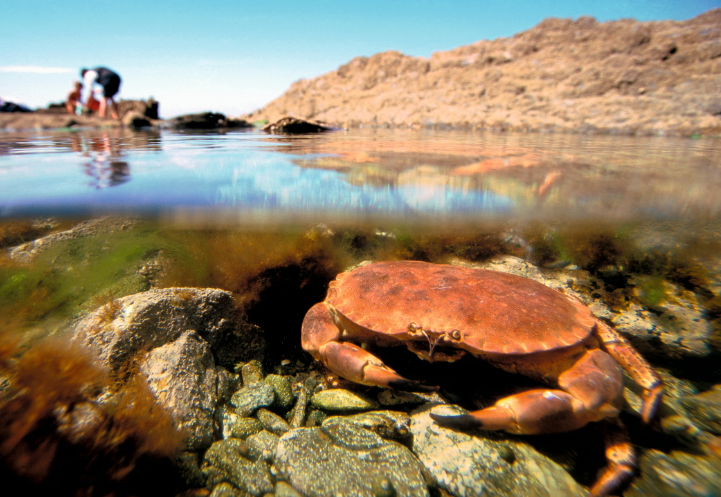
Rocky shores are some of the most exciting places to explore along the British coastline. At low tide, hidden worlds emerge — rockpools teeming with tiny fish, crabs darting beneath seaweed, mussels clinging to rocks, and edible plants growing along the tide line.
A simple walk quickly becomes a kind of coastal treasure hunt.
Rockpool Safaris
Exploring rockpools is one of the best ways to discover the richness of coastal life. Beneath the surface you’ll often spot shrimps, small crabs, sea snails, limpets, and tiny fish hiding among the rocks and seaweed.
Even if you’re not gathering food, rockpooling gives you a greater understanding of the shoreline ecosystem and the rhythm of the tides. Children and adults alike tend to lose track of time searching pools for hidden creatures as waves crash against the rocks nearby.
Shellfish & Crustaceans
Many rocky shores around the UK are home to edible shellfish including mussels, winkles, limpets, and oysters in some areas. Brown crabs and small edible crabs can sometimes be found among rocks and harbour walls too.
Fresh shellfish gathered responsibly from clean waters can be incredibly rewarding to cook and eat. The key is understanding local regulations, avoiding polluted areas, and always checking seasonal safety warnings regarding shellfish toxins or water quality.
Sea Vegetables
Seaweed is one of the coast’s most underrated foods. Along rocky shores you’ll often find varieties such as:
Sea lettuce
Dulse
Bladderwrack
Kelp
Pepper dulse
Many are rich in minerals and have surprisingly complex flavours ranging from salty and savoury to slightly smoky or mushroom-like.
Sea vegetables can be dried, added to soups, mixed into salads, or crisped in a hot pan for a simple seaside snack.
Meal Idea: Wild Shoreline Seafood Linguine
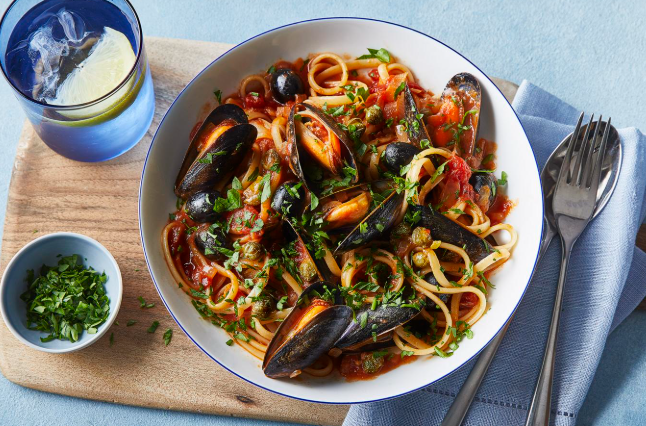
Imagine returning from a coastal walk with fresh mussels, sea lettuce, and edible sea herbs. Tossed through linguine with garlic, butter, lemon, and a little chilli, it becomes the perfect post-adventure meal eaten beside the sea.
Simple ingredients somehow taste better when gathered by hand from the coastline itself.
2. Tidal Mud Flats & Estuary Foraging
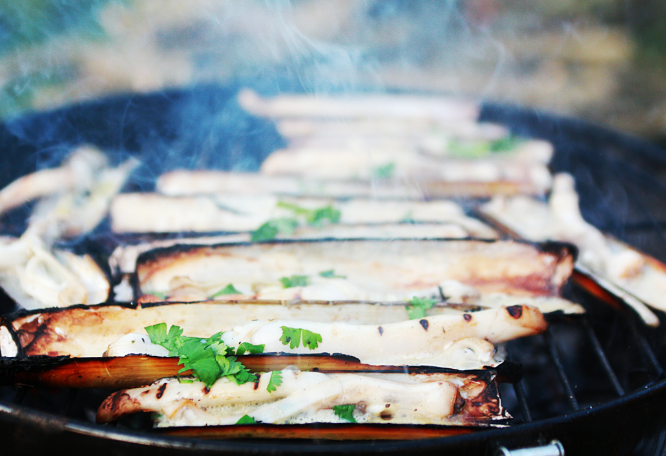
While rocky shores feel dramatic and rugged, tidal estuaries and mud flats offer a completely different kind of coastal landscape. Quiet, expansive, and rich with birdlife, these areas are some of the most productive wild food environments in Britain.
At low tide, vast stretches of mud and sand reveal hidden shellfish beds and salt-tolerant plants that have been harvested for generations.
Clams, Cockles & Oysters
Estuaries are famous for shellfish. Cockles and clams bury themselves beneath wet sand and mud, while oysters thrive in sheltered tidal waters.
Foraging for shellfish often requires patience and local knowledge, but there’s something timeless about standing ankle-deep in tidal flats searching for food as generations once did before you.
Many coastal communities around Britain were built around these rich estuary ecosystems, and shellfish remain central to local food culture today.
Marsh Samphire & Sea Vegetables
Salt marshes are home to one of Britain’s best-loved coastal plants: marsh samphire.
Bright green and naturally salty, samphire grows in tidal estuaries and muddy coastal marshes during the warmer months. Often called “sea asparagus,” it pairs perfectly with seafood and has become increasingly popular in modern British cooking.
Other edible coastal plants can also be found in estuary environments, adding texture and flavour to foraged meals.
The Beauty of Estuary Landscapes
Beyond the food itself, estuary foraging is about atmosphere. These landscapes feel calm and ancient — huge skies overhead, distant seabirds calling across the mud flats, winding tidal creeks reflecting the changing light.
There’s a peacefulness to estuaries that makes foraging feel less like collecting ingredients and more like becoming part of the landscape itself.
Meal Idea: Cockles with Samphire & Buttered New Potatoes
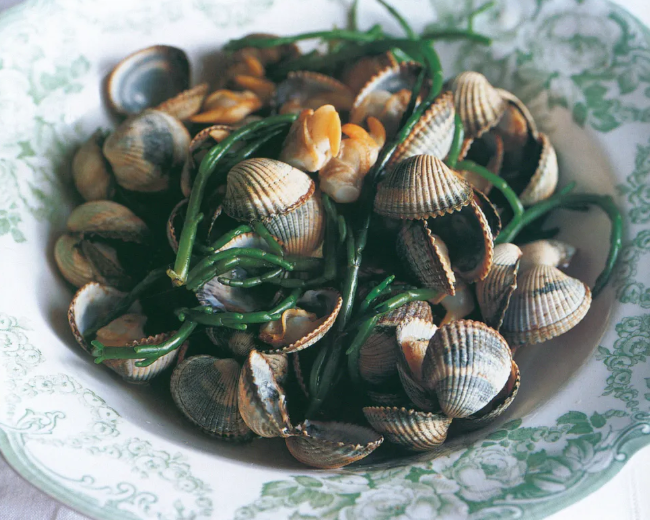
Fresh cockles steamed with garlic and white wine, served alongside marsh samphire and buttery coastal potatoes, create a meal that perfectly captures the flavours of the British shoreline.
Or for something simpler, freshly gathered oysters with lemon beside the sea can feel like the ultimate coastal luxury.
A Few Important Notes on Responsible Coastal Foraging
Coastal foraging should always be approached carefully and responsibly.
Only forage where it is legal and safe to do so
Never take more than you need
Avoid polluted waters or areas with shellfish contamination warnings
Be aware of tides and changing weather conditions
Correct identification is essential before eating any wild food
Many people begin with guided coastal foraging walks to safely learn the basics of edible species, tides, and sustainable harvesting techniques.
Rediscovering the Coast Through Food
Foraging changes the way you experience the coastline. Instead of simply passing through, you begin noticing details — the shape of seaweed on rocks, the movement of tides, the hidden life within estuaries and pools.
It transforms a coastal walk into something immersive and memorable.
And perhaps that’s the real joy of coastal foraging in the UK: not just the food you bring home, but the deeper connection it creates with the sea, the landscape, and the centuries-old traditions of Britain’s shoreline communities.
